
Biological
A sensitised nervous system can trigger a full fight-or-flight response, elevated heart rate, shallow breathing or a surge of adrenaline, in situations that pose no real threat.

Your heart is already racing before you know what set it off. Before you even figure out what you're anxious about, your muscles have tensed up, your chest feels tight, and your palms are sweaty.
For the founders, executives and high performers we work with, a racing heart, shortness of breath or a wave of dread can arrive mid-meeting, mid-decision, or for no identifiable reason at all. Managing it quietly, so no one else notices, often becomes its own full-time job.

Not every point here needs to apply, but this may resonate with you if:
Your nervous system has learned to treat ordinary situations as threats, triggering the same physiological response as genuine danger. Avoiding these situations brings short-term relief but it reinforces the pattern long-term. It teaches your nervous system the feared situation really was dangerous. What changes the pattern is retraining the response itself, not managing the thoughts wrapped around it.
What's driving it
A sensitised nervous system can trigger a full fight-or-flight response, elevated heart rate, shallow breathing or a surge of adrenaline, in situations that pose no real threat.

Anxiety often narrows a person's world over time, as situations, conversations or environments get avoided to prevent triggering it.
Avoidance eases anxiety in the moment but reinforces it over time, since the nervous system never gets the chance to learn the feared outcome won't happen.
All seven disciplines of the Ascendant 7/21 Method™ run through every program, including yours. Three lead the clinical work because of how directly they retrain the nervous system's threat response. The remaining four create a strong foundation of body and mind for the deep work happening in the three core disciplines.
Where the work starts
Cognitive processing, emotion regulation skills and graduated exposure therapy reduce avoidance behaviours safely, allowing your nervous system to relearn that feared situations are survivable.
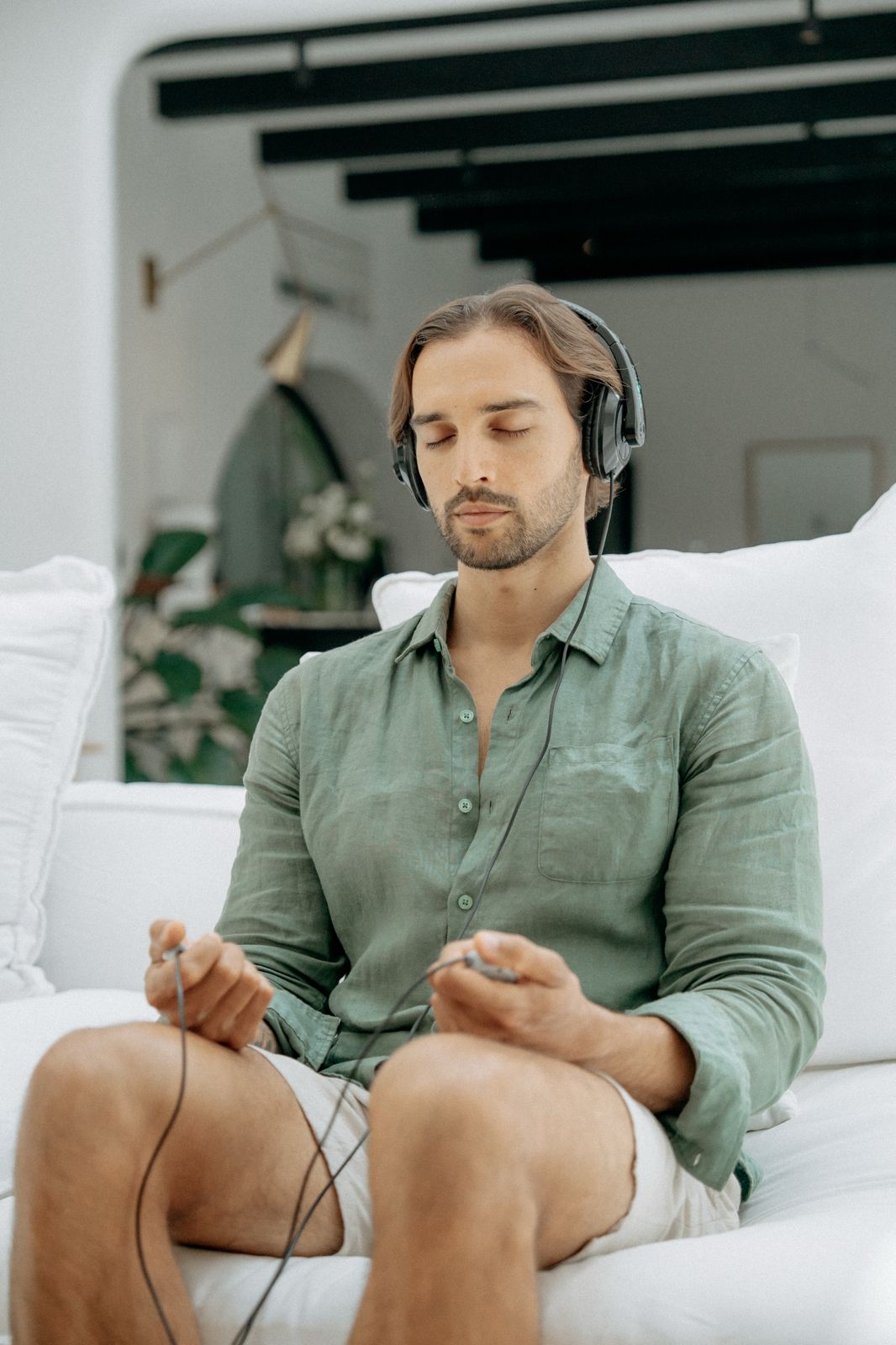
Vagus nerve stimulation and somatic therapy work directly on your body's fight-or-flight response, teaching your nervous system what calm feels like again.
A full medical and psychiatric review comes first to rule out physiological contributors to anxiety and provide medication support where it's clinically indicated.

Regular movement keeps stress hormones and nervous system resilience steady between sessions.

Targeted nutritional and herbal support — magnesium, B vitamins, omega-3s, ashwagandha, passionflower and L-theanine — alongside screening for physiological drivers like thyroid dysfunction, blood sugar swings and gut-brain axis issues.

Targeted nutrition addresses dietary factors that can heighten anxiety, including blood sugar regulation and stimulant intake.
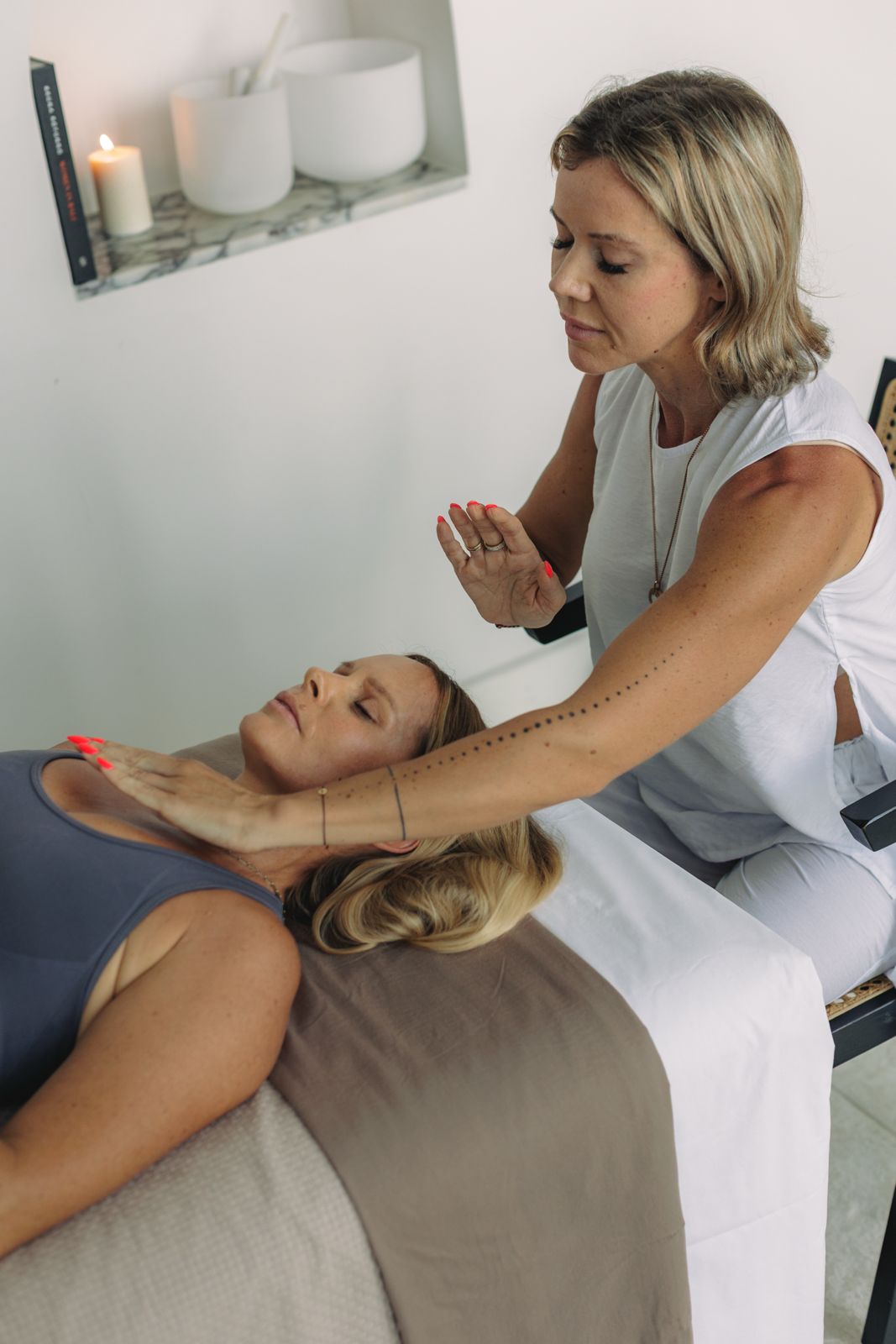
Complementary practices from Traditional Chinese Medicine, kinesiology, reiki, and positive psychology support the program alongside evidence-based care.

Graduated exposure and somatic regulation work directly on the fight-or-flight response, so situations you've been avoiding become things you can simply do, not things you white-knuckle through.

The programme is built around high-functioning founders and executives who look composed while carrying a constant low hum of dread, not general stress management.

The same clinical team follows you from assessment through to your aftercare plan. No hand-offs means no re-explaining your history to someone new partway through.
Your clinical team runs a full medical, psychiatric and psychological assessment, mapping how anxiety shows up in your body and your history before any exposure work is even discussed.
The physical symptoms are the easy part to see. Underneath them, we begin to trace how your nervous system learned that ordinary situations should be treated as dangerous, and what that response was originally protecting you from.
Graded exposure therapy and somatic regulation take over from here, working on the fight-or-flight response itself rather than the thoughts wrapped around it. Feared situations are met deliberately and safely, again and again, until your nervous system updates what it believes is dangerous.
Anxiety has a way of quietly shrinking a life, fewer plans made, fewer conversations had, fewer risks taken with other people. This phase turns back toward what's been avoided relationally, with an optional partner or family session if reconnecting at home is part of what you need.
Vigilance can start to feel like who you are rather than something your nervous system is doing. This phase separates the two, making room for a version of you that isn't constantly scanning for what might go wrong.
Your last phase is about what happens once the exposure work ends and ordinary life resumes. Your clinical team builds a 4-12-week aftercare plan with you, stress-tested against the situations most likely to bring the old pattern back.

Anxiety & Panic Disorder treatment runs the standard 3 weeks of the Ascendant 7/21 Method™, with extended 4 to 8 weeks programs available where a longer consolidation period is clinically appropriate.
Three symptoms, three specific clinical responses.
Addressed directly through vagus nerve stimulation and somatic therapy, calming the body's fight-or-flight response rather than only discussing it.
Addressed through graduated exposure therapy, letting you test feared situations safely and relearn what your nervous system currently assumes is dangerous.
Addressed through mind-body integration and nervous system regulation, building the capacity to recover quickly rather than trying to prevent every trigger.
It involves carefully controlled exposure to feared situations, the opposite of permanent avoidance.
They're a sign your nervous system needs retraining, which is a different task entirely.
No amount of willpower switches off a sensitised fight-or-flight response. Your nervous system has to relearn safety directly.
Every program is clinically led by Zahra Ciardi, a Registered Psychologist (AHPRA) with 12 years experience in the mental health industry; 8 of those years as a Psychologist.
Standard CBT typically happens once a week. Here, cognitive processing, exposure therapy and somatic nervous system work is led by a dedicated clinical team, in a private setting built specifically to support graduated exposure safely.
No. Exposure work is graduated and consent-based, calibrated to what you can tolerate at each stage. Nothing happens without your agreement.
Yes, it's common. Many clients arrive without a clear trigger identified. Mapping your specific pattern is part of the early clinical work, not something assumed upfront.
The core approach, somatic regulation and graduated exposure, applies to both, but the focus differs. Panic disorder work centres more on the physical panic response, while generalised anxiety work centers more on chronic worry and avoidance patterns.
Only if clinically appropriate and coordinated with your existing prescribing doctor. Many clients complete their program using the nervous system and behavioural approaches alone.
You leave with a personalised aftercare plan developed with your clinical team and we stay with you for weekly aftercare sessions from 4-12 weeks depending on your package. You also have options for extended stays or ongoing remote support depending on your circumstances.
Talk to our clinical team about a program built around how your anxiety actually presents.
We will talk through your history and whether Ascendant Bali is the right clinical fit before anything else.
Begin a Confidential Conversation