

Biological
Sustained use recalibrates dopamine and reward circuitry. Over time, the brain begins treating the substance or behaviour as necessary for baseline function, not as pleasure.

You told yourself this was the last time. Then you closed the deal anyway. You showed up to every work meeting. Nobody noticed a thing.
What they don't see is what it costs you to hold it all together.
That's the trap of high-functioning addiction. The better you are at hiding it, the longer it goes on. We treat founders, executives and high performers for whom the difficulty has rarely been stopping. It has been about maintaining sobriety, without losing the edge that got them here.

You don't need to tick every one below. You may recognise yourself here if:
Addiction develops as a learned response: the fastest route the nervous system found to relieve stress, unresolved trauma or biochemical imbalance. More than 70% of the people we treat for addiction also carry a co-occurring mental health condition. Whether the pattern centres on alcohol, drugs or a specific behaviour, treating the addiction on its own, without addressing what it was attempting to solve, is usually the primary reason why it doesn't hold.
What's driving it
Sustained use recalibrates dopamine and reward circuitry. Over time, the brain begins treating the substance or behaviour as necessary for baseline function, not as pleasure.

Addiction rarely develops on its own. Early attachment patterns and unspoken family dynamics often shape both the vulnerability to addiction and the secrecy that protects it.
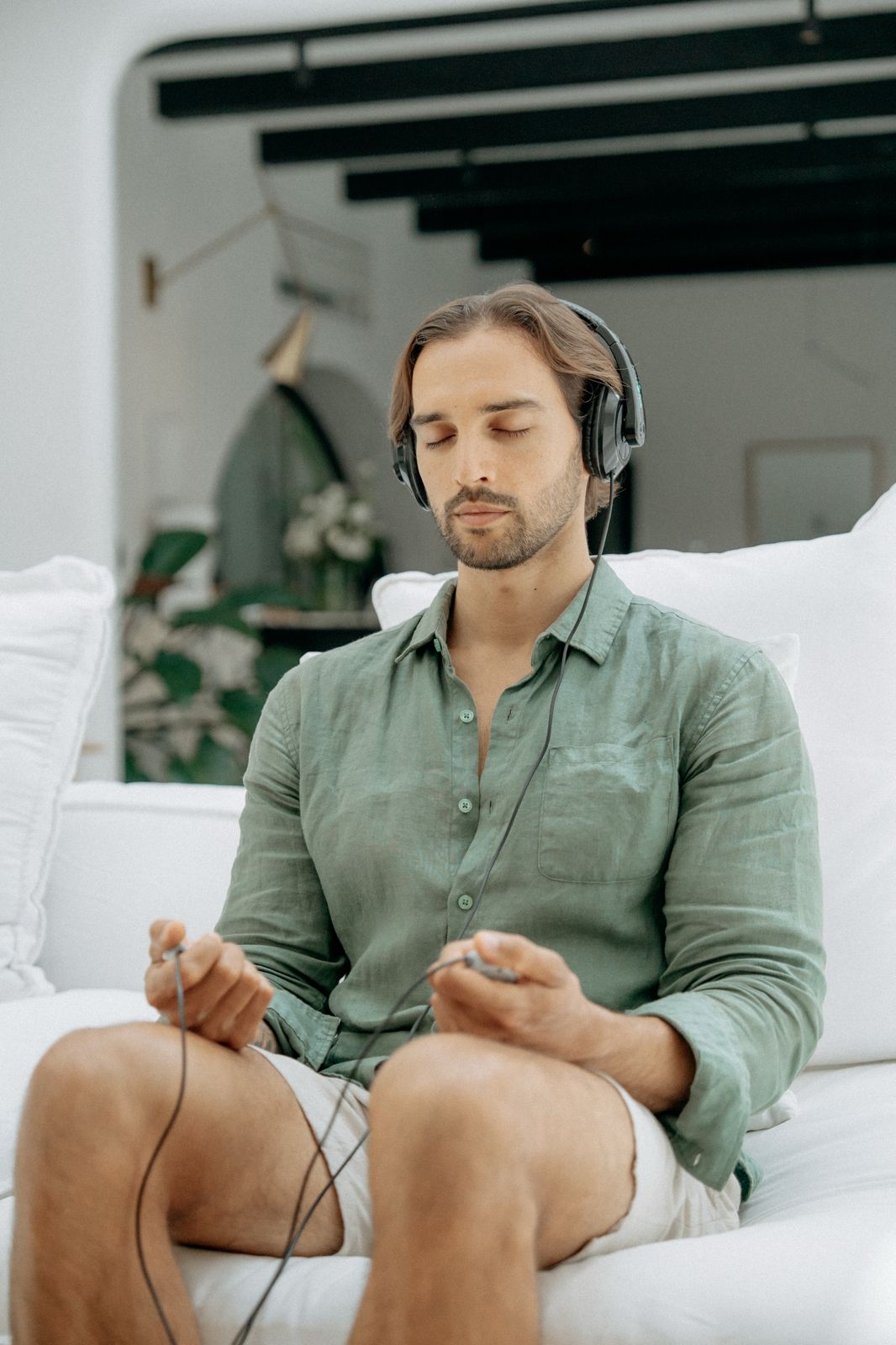
Chronic stress and unresolved trauma leave the nervous system dysregulated. The substance or behaviour becomes the most reliable way available to feel calm or capable.
All seven disciplines of the Ascendant 7/21 Method™ run through every program, including yours. For addiction recovery specifically, three lead the clinical work because of how directly they address the pattern itself. The remaining four continue underneath them for the full term of your program.
Where the work starts
A comprehensive medical assessment and baseline pathology followed by medically supervised withdrawal management where clinically appropriate, so the physical process of stopping is never left unmanaged.
CBT, DBT and EMDR work directly on the triggers driving the cycle. Neurofeedback trains the brain's reward system to strengthen impulse control from the inside.
Physical nervous system regulation gives you an alternative to the substance or addictive behaviour. A new way back to calm.
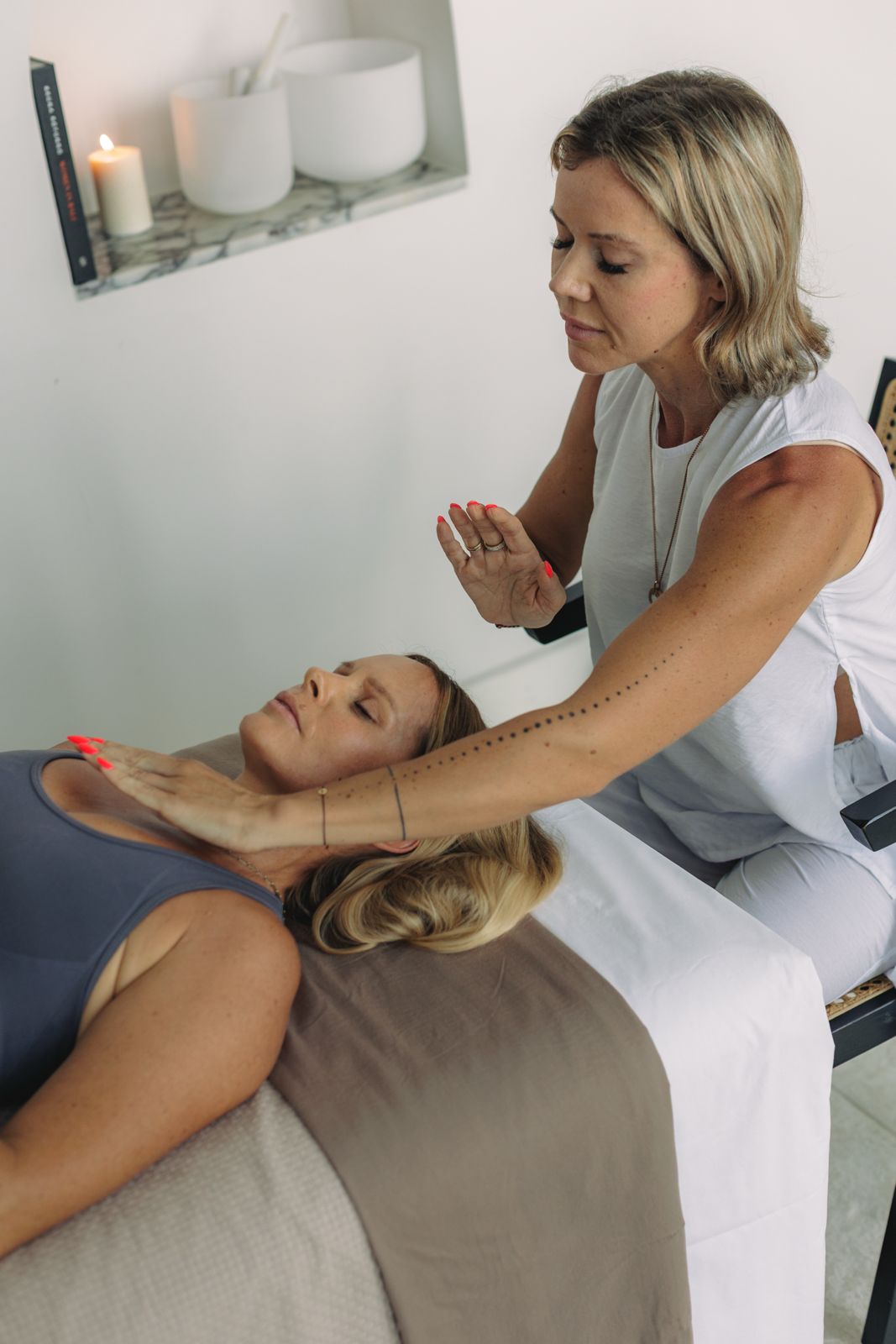
Positive psychology based affirmations for subconscious repatterning, kinesiology, and Reiki.

Structured movement rebuilds the routine and confidence that sustained use has eroded.

Targeted nutrition to support neurotransmitter recovery and restore the biochemical resilience your body needs to recover.

IV therapy replenishes essential vitamins and minerals from your first week; herbal and detox protocols support liver and hormone function well beyond your stay.

In mood, clarity and overall wellbeing after completion of their program.
Recover in complete privacy with personalised treatment designed around your individual circumstances and goals.

Medical, psychological, and holistic care working together, aimed at what's underneath the addiction, not just the addiction itself.
6 phases, each with a distinct clinical purpose.
You arrive and meet your clinical team. We'll guide you through a comprehensive medical, psychiatric, and psychological assessment to understand your behavioural addiction and nervous system state. This establishes baseline safety and a clear formulation to guide the rest of your program.
From here, the work turns to what the compulsive pattern has always been protecting you from. Attachment-focused sessions take you beneath the behaviour itself, to the experience it first developed in response to.
This is where we work directly on the compulsive pattern, whether it centres on one behaviour or several, treated as a single underlying drive rather than separate problems. You will build new ways of regulating difficult emotions, so the addictive pattern has nowhere left to relocate to.
Where the pattern has caused relationship ruptures or broken trust, this is where you begin addressing them. If rebuilding trust at home is part of your plan, an optional partner or family session happens here.
You spend this phase rebuilding a sense of self that isn't organised around the addictive behaviour or around concealing it, working toward what you actually want your life, and your relationships to look like now that you're choosing this for yourself.
Your final week turns toward what happens after you leave. A relapse-prevention and 12-week aftercare plan is built alongside your clinical team, with any pharmacological support reviewed and adjusted, before you go.

Behavioural addiction recovery runs a minimum of 4 weeks, the same clinical baseline used across every addiction program at Ascendant Bali. Rewiring a compulsive pattern safely, and building healthy coping behaviours durable enough to hold once you're back in daily life, takes longer than a shorter program allows. 5–8 week programs are also available where a longer consolidation period is clinically appropriate.
Based on client feedback collected in June 2026
of the people we treat for addiction also experience a co-occurring mental health condition. Your program is built to treat both together, not as separate tracks.
of clients report significant improvements in mood, clarity and overall wellbeing after completing the program.
of clients say they wish they had done it sooner.
Every program is clinically led by registered medical practitioners and psychologists, with over a decade of trauma informed practice.
Addiction recovery, specifically
Yes. More than 70% of the people we treat for addiction also experience a co-occurring condition such as anxiety, depression or unresolved trauma. Your program addresses both at once, not as separate tracks.
It depends on clinical severity. Ascendant Bali does not provide medical detox from severe substance use or acute psychiatric crises requiring hospitalisation. Where a higher level of care is needed first, we refer you to a trusted specialist and welcome you once you are clinically stable.
There are no groups, shared therapy spaces or peer cohorts. Every session is one-on-one, which removes exposure to other people's relapse triggers and keeps your process entirely private.
Where it's clinically appropriate to manage on-site, yes, under medical oversight. Where you need a higher level of acute care first, we help coordinate that before your program starts.
Complete discretion is built into the model. With a small number of clients accepted each year, private villa accommodation and a one-on-one clinical structure, there is no shared environment in which your presence could be disclosed to another client.
You leave with a personalised aftercare plan (ranging 4 to 12 weeks) developed with your clinical team, with options for extended stays or ongoing remote support depending on what you need.
Speak to our clinical team about what a program built around your history would look like.
We'll go through what's brought you here and whether this is genuinely the right fit before anything else happens.
Begin a Confidential Conversation